Why is forgetting key to remembering?
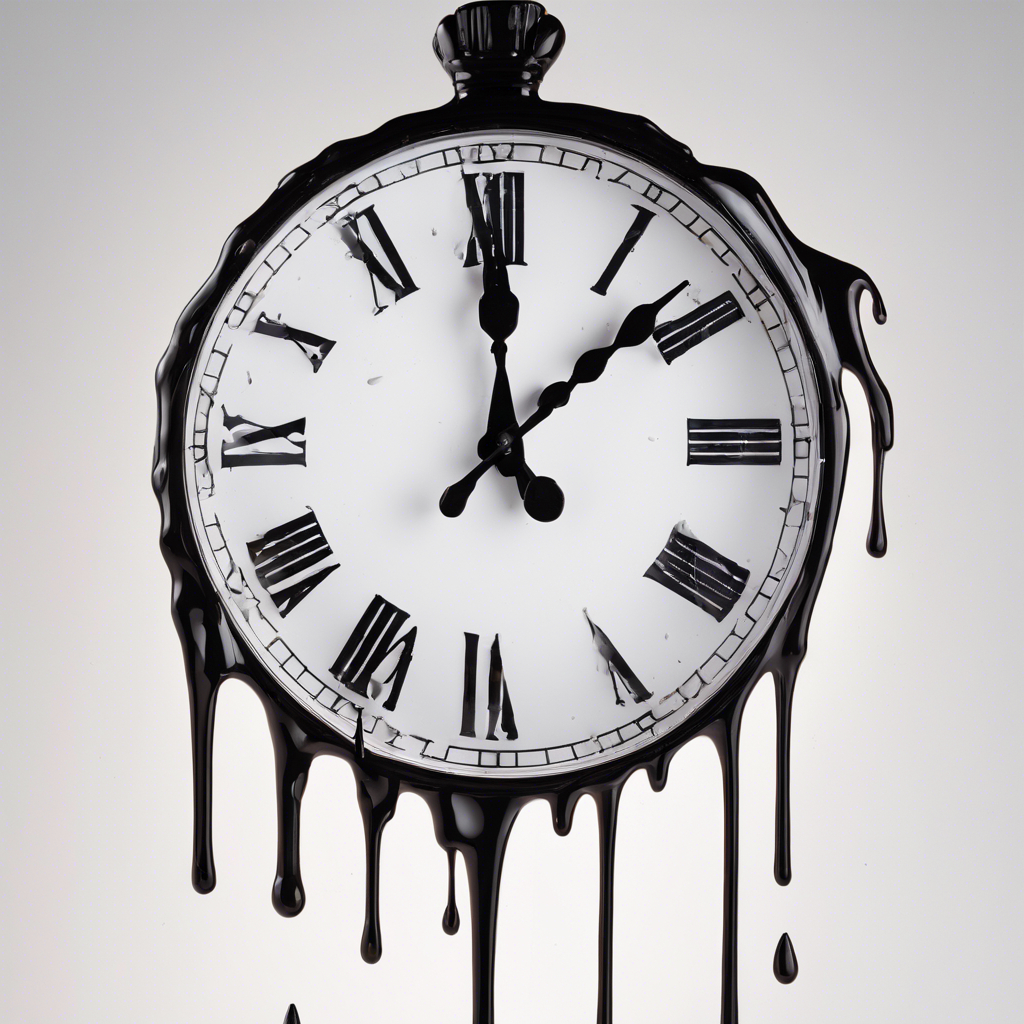
We naturally tend to forget information over time if we don’t think about it. You can think of this as the brain’s important job of ‘spring cleaning’ to help us focus. Therefore, for strong memory, ‘little and often’ beats cramming. And the research behind this has been around for well over a century!
Extension
The ‘Tip of the Tongue’ phenomenon
We all know that feeling. You know that you know something but you can’t quite remember the information. What is happening..?
To understand the Tip of the Tongue (TOT) in relation learning, you must understand that your brain stores meanings (semantics) and sounds (phonology) in different places in the brain.
- The Meaning: You see a face or hear a definition. Your brain successfully lights up the area that knows who the person is or what the concept means.
- The Sound: This signal tries to travel to the part of the brain (usually on the left) responsible for speech production (finding the word).
- The Disconnect: In TOT state, the signal is too weak to trigger the sound, or it triggers a similar but incorrect sound (e.g., you want “burrito” but keep getting “taco” or “nacho”).
In learning science, TOT is a ‘desirable Difficulty’ and shows that memory isn’t either on or off – we have a ‘feeling of knowing’. Your emotional frustration signals that the memory is in there, you just can’t recall it. This is better than not knowing it at all.
The Opportunity:
If you successfully recall it without help, the relief you feel triggers a release of dopamine and makes the memory pathway stronger. So, think of it as a memory ‘workout’ that is going to make it much easier to remember this in the future!
Top Tip: Think about “Context Cues” – or images or words associated with it – to help you remember. Because memories of concepts are linked together like a ‘web’, this should help give the right pathway a ‘push’ in the right direction. of Good luck when it happens!
 Home | Smart Learning